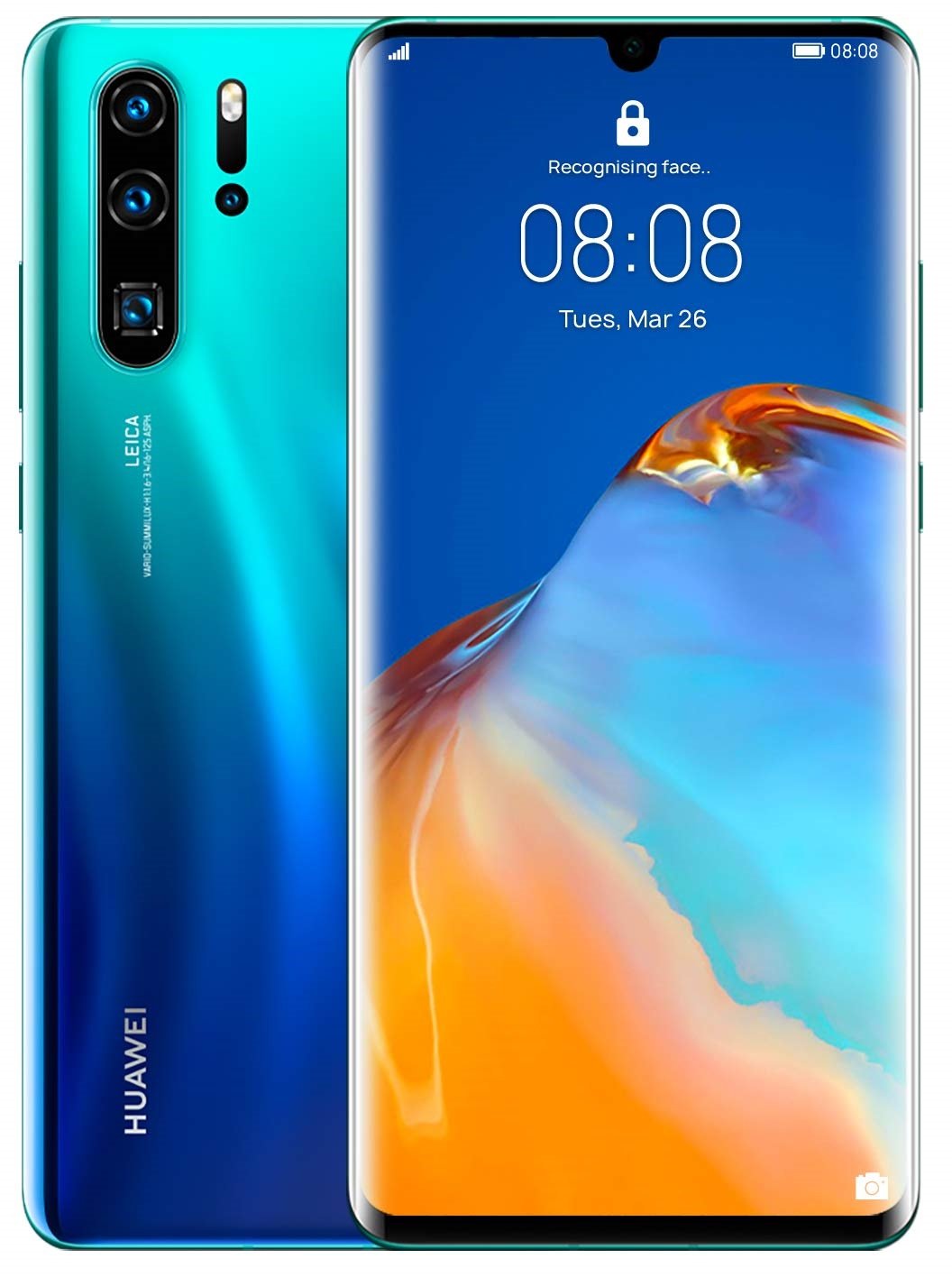
Hardware Specifications and GPU Power
The device relies on an ARM Mali-G76 MP10 GPU clocked at 720 MHz. According to AnandTech’s Huawei P30 Review, this graphics processor represented a major upgrade over older chips, though it was never class-leading against elite competitors. For memory, the standard configuration pairs 6 GB of RAM with 128 GB of storage, while select regions received an 8 GB variant.
Benchmark Scores and Thermal Behavior
Testing conducted by Android Authority recorded Geekbench 4 scores of 3,284 for single-core tasks and 9,789 for multi-core performance. Its 3DMark scores reached 3,924 in OpenGL and 4,131 in Vulkan. While these numbers trail newer Snapdragon 855-class processors, AnandTech noted that the hardware sustained strong Vulkan performance with little to no GPU thermal throttling during evaluation.
Real-World Gaming Performance
Daily gaming experiences on the device remain mostly stable for casual titles. Reviewers at Tom’s Guide found that games like Hitman Sniper ran smoothly and remained responsive. Fortnite generated more heat but remained comfortable to hold during the short test. Meanwhile, Frandroid reported a smooth PUBG Mobile experience with anti-aliasing enabled, Ultra frame-rate selected, automatic graphics adjustment disabled, and Performance Mode enabled.
The hardware cannot provide 90- or 120-fps gameplay on the phone’s 6.1-inch OLED display, which has a 2340 × 1080 resolution and a 60 Hz refresh rate. The screen cannot display more than 60 frames per second.
Software Limitations and Emulation Challenges
Beyond raw silicon limits, software compatibility creates hurdles for modern users. Gaming compatibility and performance can vary with Android version, game updates, regional firmware, and Huawei’s post-2019 software limitations. Available benchmark databases also combine user-submitted results with different Geekbench versions, so scores are not always directly interchangeable; Geekbench’s Huawei P30 database illustrates this broader comparison issue.
The aging software environment and weaker emulation compatibility also make the P30 less attractive for demanding gaming. Extended sessions in modern games place heavier demands on its 3,650 mAh battery, while the 22.5 W charging specification distinguishes it from the P30 Pro’s 40 W charging system.
Conclusion
The Huawei P30 Pro was a good 2019 gaming phone, capable of smooth mainstream gaming and strong sustained performance. In 2026, however, its 60 Hz display, Mali GPU, aging software environment, and weaker emulation compatibility make it less suitable for demanding gaming and modern competitive play.
