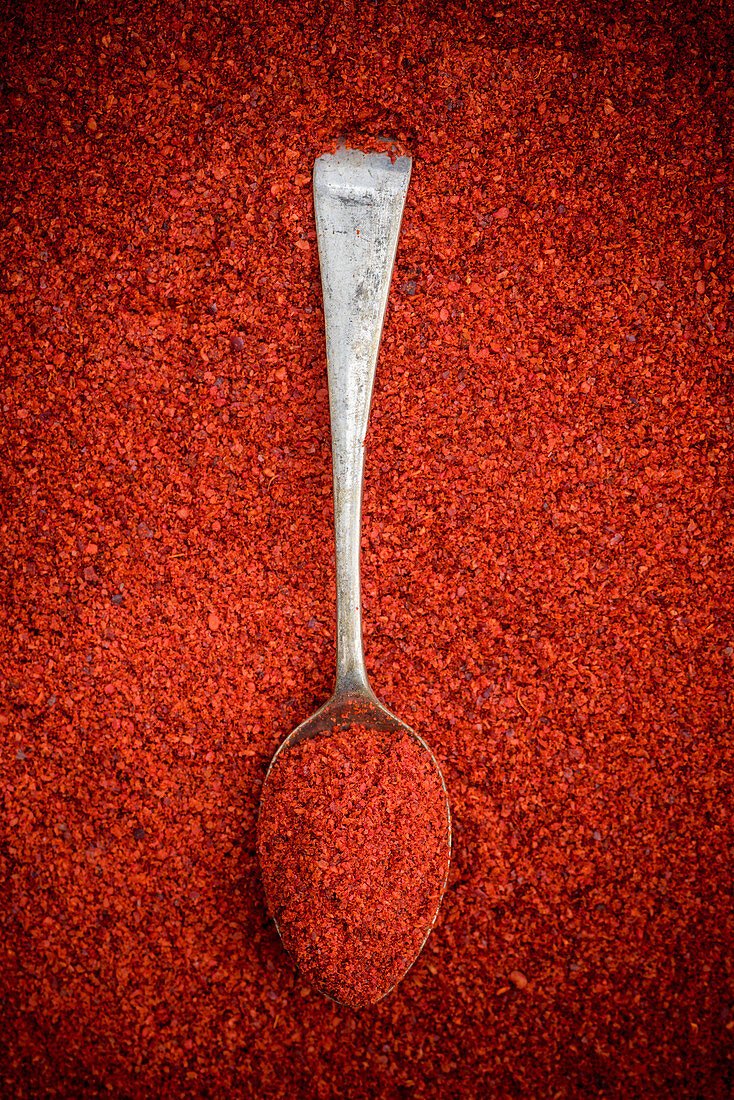
Chilli powder is one of those kitchen essentials that can transform a dish from bland to brilliant with just a pinch or two. Whether you’re an experienced cook or just starting out, understanding how to use chilli powder will help you add depth, colour and heat to your meals. In this blog post, we’ll explore what chilli powder is, how it differs from other chilli products, and how to use it in everyday cooking.
At its simplest, chilli powder is a spice made by grinding dried chillies into a fine powder. However, it’s not always just pure chilli — many commercial chilli powders include a blend of other spices like cumin, garlic powder, oregano and sometimes salt. This makes it slightly different to ground chilli flakes or paprika, which are usually single-ingredient spices.
One thing that often confuses cooks is the difference between chilli powder and chilli flakes. Chilli flakes, also known as crushed chillies, are pieces of dried chilli pepper with seeds and skin still visible. They tend to offer bursts of heat and texture, whereas chilli powder gives a more even and subtler heat throughout a dish. If you want to compare what chilli flakes offer versus powdered spice, there’s a useful comparison in this article on substitutes for Korean chilli flakes: Gochugaru Substitutes
How to Use Chilli Powder
Chilli powder is incredibly versatile. Here are a few ideas:
- Curries and stews: A couple of teaspoons can provide a warming heat and rich colour to curries, stews and soups.
- Marinades and rubs: Mix chilli powder with salt, pepper, paprika and herbs to make a simple rub for meats and vegetables.
- Mexican cooking: Chilli powder is often a key ingredient in Mexican dishes such as chilli con carne, tacos and enchiladas.
- Spicy snacks: Sprinkle a bit on roasted nuts, popcorn or chips for a fiery snack.
Because chilli powders vary in strength, it’s always wise to start with a small amount and adjust to taste. Some powders labelled as “hot” can be quite fiery, while milder blends are more forgiving for sensitive palates.
Choosing the Right Chilli Powder
When selecting chilli powder, take a look at the label. Pure chilli powder — made solely from ground chillies — will have fewer additives and a more straightforward heat profile. Blended chilli powders, on the other hand, can offer a more complex flavour because of the added spices. There’s no hard and fast rule about which is better; it depends on the flavour you’re aiming for.
If you want to experiment with different types of chilli products, such as Korean chilli flakes or gochugaru, that same article linked above offers excellent suggestions for alternatives and substitutions. Exploring different chilli bases can open up new flavour dimensions in your cooking.
Tips for Cooking with Chilli Powder
- Add early for depth: Including chilli powder early in the cooking process allows it to meld with other flavours.
- Balance heat with sweetness: Ingredients like honey, sugar or tomatoes can help balance the spice if a dish feels too hot.
- Store it right: Keep chilli powder in an airtight container, away from heat and light. It will stay fresh for longer and retain its vibrant red colour.
In summary, chilli powder is a must-have spice that adds warmth, colour and complexity to a wide variety of dishes. Whether you’re stirring it into a comforting stew, rubbing it onto a joint of lamb or simply dusting it over your snacks, understanding how to use and choose chilli powder will elevate your cooking to the next level.